Shopify SEO & Marketing Services | EcommerceFit



+210% Organic Traffic Growth in 4 Months
A Shopify fashion retailer was heavily dependent on paid advertising. Rising customer acquisition costs and stagnant organic growth limited scalability. EcommerceFit implemented a strategic Shopify SEO framework focused on sustainable long-term growth.
The Challenge
- Heavy reliance on paid advertising
- Flat organic traffic growth
- Increasing customer acquisition costs
- Weak category page optimization
Strategy Implemented
- Complete Shopify SEO audit
- Collection page optimization
- Internal linking improvements
- Technical SEO cleanup
- Keyword gap analysis
- Conversion optimization enhancements
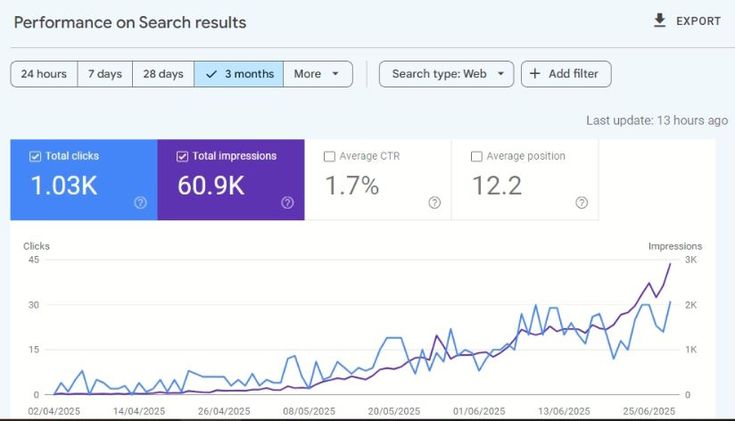
Organic Traffic Growth
Organic traffic increased from 1,000 monthly users to over 3,100 users within four months.
Performance Analytics Snapshot
+60% Organic Revenue Growth in 5 Months
A growing Shopify beauty brand struggled with low organic visibility and increasing advertising costs. EcommerceFit implemented a comprehensive Shopify SEO strategy to improve rankings, drive qualified traffic, and increase revenue from organic channels.
The Challenge
- Heavy reliance on paid advertising
- Low visibility for high-intent keywords
- Underperforming product pages
- Declining return on ad spend
Strategy Implemented
- Complete Shopify SEO audit
- Product page SEO optimization
- Collection page restructuring
- Technical SEO improvements
- Competitor keyword gap analysis
- Internal linking enhancements
- AI search visibility optimization
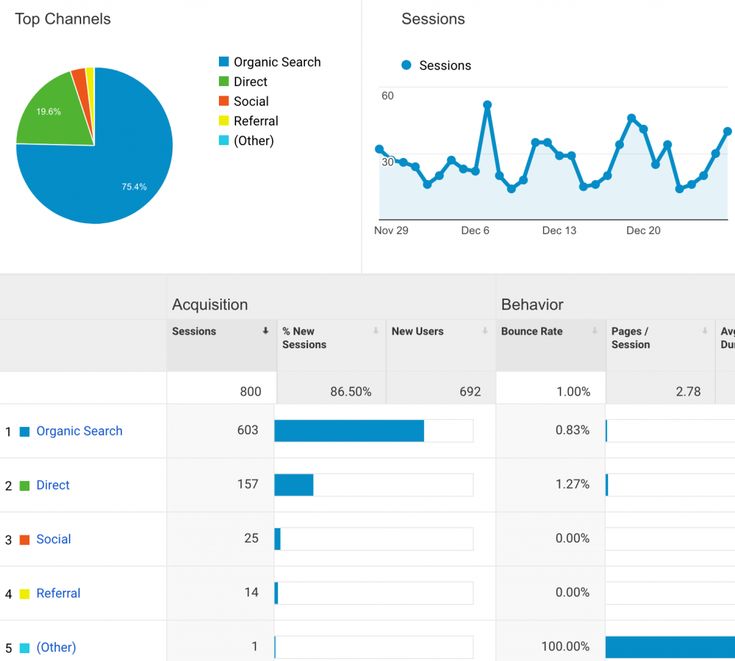
Organic Revenue Growth
Organic revenue increased from approximately $10,000 to over $16,000 per month within five months through strategic Shopify SEO implementation.
Revenue Performance Snapshot
+75% Organic Visibility Growth & Improved Core Web Vitals
A healthcare-focused Shopify brand faced challenges with slow website performance, poor Core Web Vitals scores, and declining search visibility. EcommerceFit implemented a comprehensive technical SEO strategy to improve user experience, strengthen E-E-A-T signals, and increase organic visibility.
The Challenge
- Poor Core Web Vitals performance
- Slow page load speeds affecting conversions
- Weak organic visibility for target keywords
- Technical SEO issues limiting growth potential
Strategy Implemented
- Comprehensive technical SEO audit
- Core Web Vitals optimization
- Image compression and performance improvements
- Schema markup enhancements
- Internal linking optimization
- Content structure improvements for AI visibility
- Mobile experience enhancements
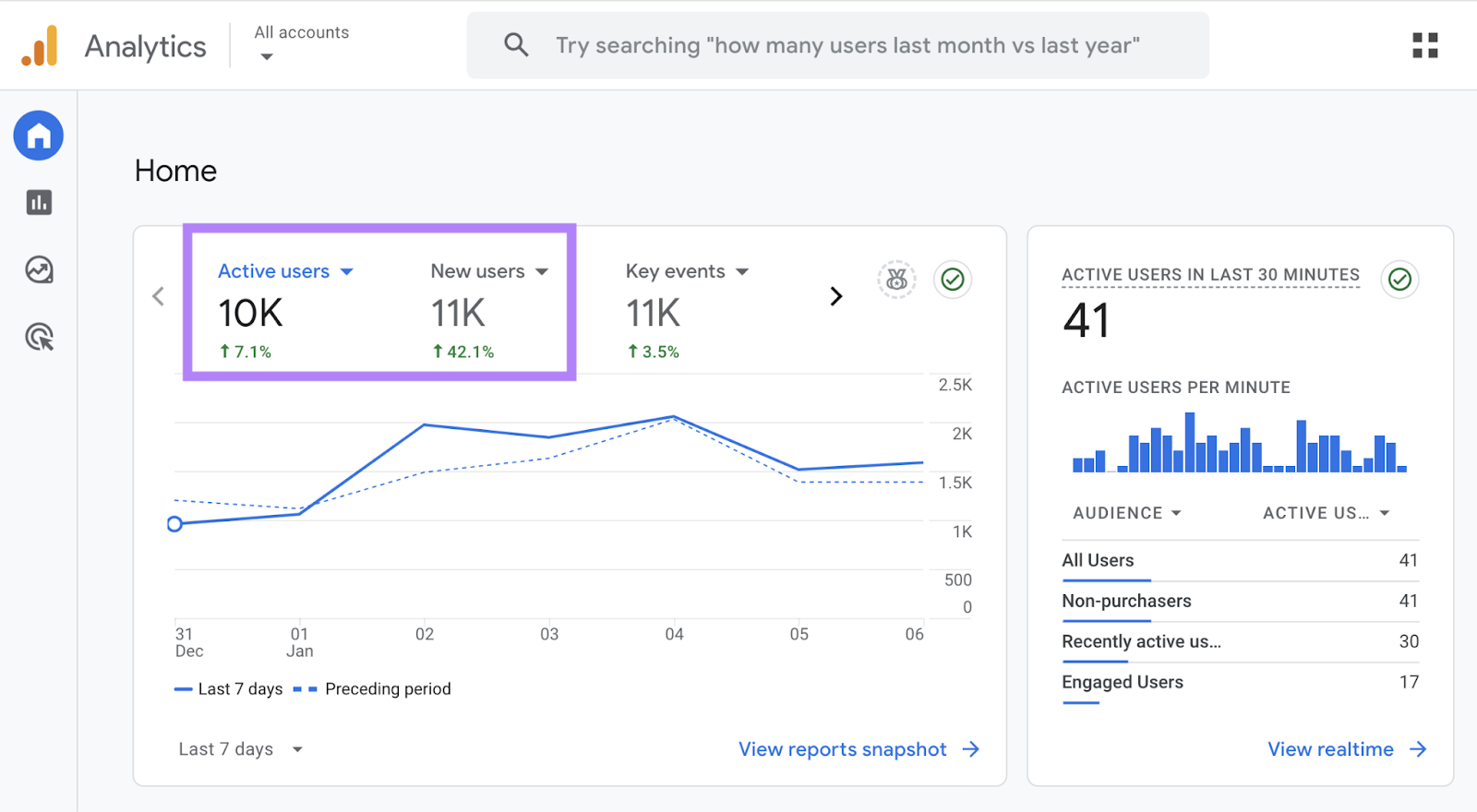
Organic Visibility Growth
The healthcare brand achieved a 75% increase in organic visibility while significantly improving website performance and user experience metrics.
Core Web Vitals & Performance Snapshot

Saquib Alam
Saquib Alam is a Shopify SEO strategist and founder of Ecommerce Fit. He helps ecommerce brands increase organic traffic, improve search visibility, and generate sustainable revenue growth through technical SEO, content strategy, ecommerce optimization, and AI search optimization. His approach combines data-driven SEO frameworks with modern search technologies to help Shopify brands compete in highly competitive markets.